← All brand reviews · Brand Review
Brilliant Earth Review: Ethically Sourced Diamonds, Lab-Grown Options, and What to Verify
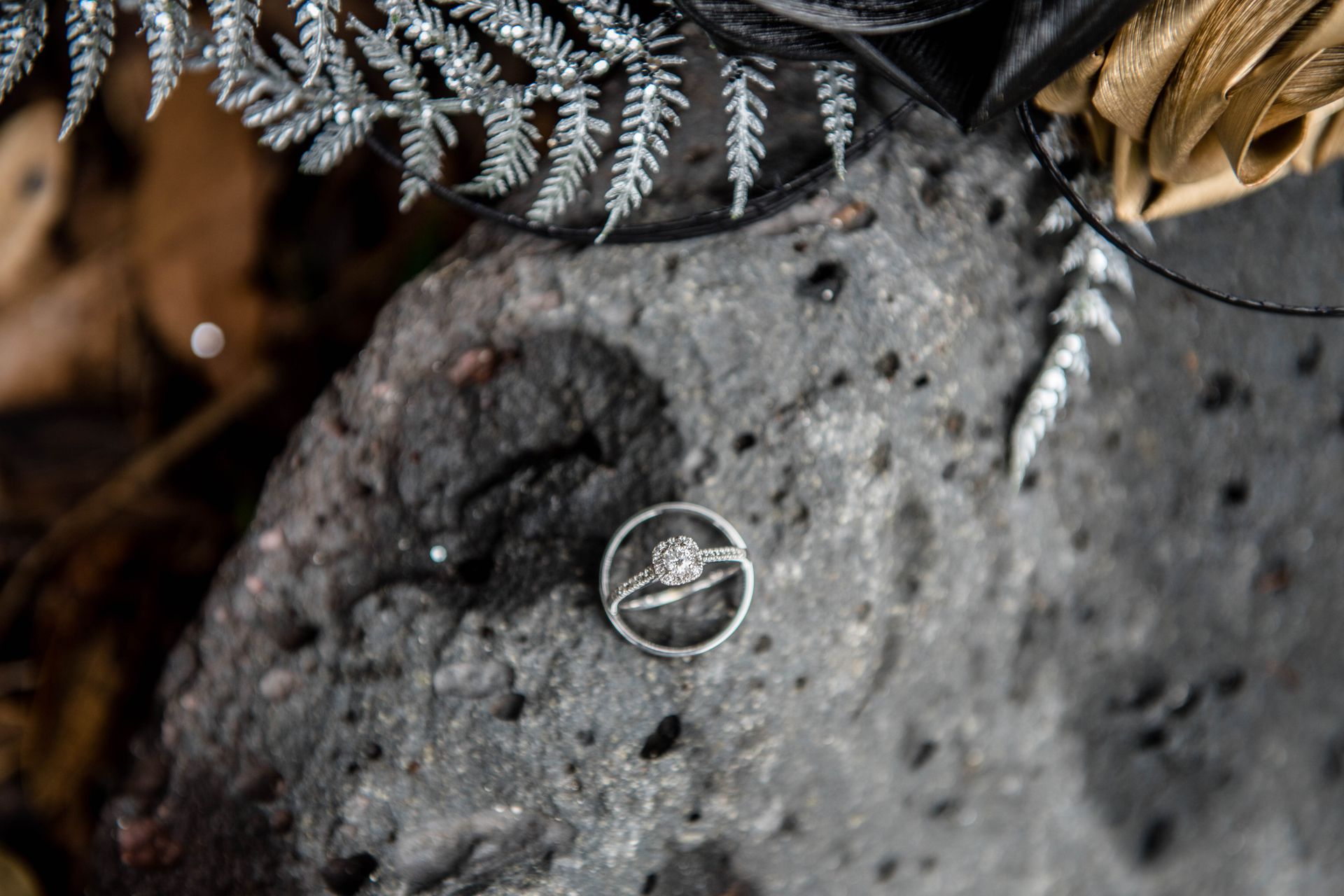
A review of Brilliant Earth as a jewelry buyer would experience it: its ethical sourcing claims, its lab-grown and natural diamond options, its strengths and weaknesses, who it suits, and what its pieces typically cost as of November 2026. No star rating, no invented test data.
Brilliant Earth is the jeweller that made ethical sourcing a selling point. Founded in San Francisco in 2005, the company built its business on a promise: diamonds that are traceable to their origin, beyond-conflict-free sourcing, and a transparent supply chain, at a time when the diamond trade was not known for transparency. That promise resonated with buyers who cared about where their diamond came from, and Brilliant Earth grew into one of the best-known online diamond retailers, with a focus on lab-grown diamonds as well as natural ones. This review looks at what Brilliant Earth offers today, what its ethical claims mean in practice, where its value lies, and who should buy there.
Lustre Journal is not affiliated with Brilliant Earth or with any brand reviewed on this site. We have no commercial relationship with the company, we earn no commission from any purchase, and this review is based on publicly available information about the company's history, its published product lines, and its widely reported market position, not on a laboratory test or a sponsored trial. Prices are given as typical ranges as of November 2026. We give no star rating and no numerical score.
Brand Overview: History, Position, and Recognition
Brilliant Earth was founded in San Francisco in 2005 by Beth Gerstein and Eric Grossberg, who were motivated by the ethical problems in the diamond trade, including conflict diamonds and the environmental impact of mining. The company's premise was that a buyer should be able to know where a diamond came from, and that the diamond trade should be more transparent than it was. Its brand recognition is high among diamond buyers, including in brand-recognition surveys published by YouGov, where Brilliant Earth ranks among the best-known online jewellery brands, although it is less widely known to the general public than Tiffany or Cartier, because it has few stores and its advertising is aimed at diamond buyers.
Brilliant Earth's position is online diamond retail with an ethical emphasis: it sells natural and lab-grown diamonds, engagement rings, wedding bands, and fine jewellery, through its website and through a small number of showrooms. Its customers are often buyers who care about sourcing, who want a lab-grown diamond, or who want a modern, understated design. Its business is built on the same online model as Blue Nile — a large inventory, grading reports available before purchase, and a Build Your Own Ring tool — with an added emphasis on the origin of its stones.
Main Product Lines
Brilliant Earth's core is engagement rings, sold through a Build Your Own Ring tool in which the buyer chooses a diamond — natural or lab-grown — and a setting, in platinum, 18k or 14k gold, or recycled metals. The company's settings are modern and understated, with a focus on solitaires, halos, and pavé designs that are designed to show the stone. It also sells diamond jewellery, wedding bands, gemstone jewellery, and a range of fine jewellery. Its lab-grown diamond inventory is large, and its natural diamond inventory is accompanied by information about the stone's origin, which the company describes as beyond conflict free, meaning that it goes beyond the Kimberley Process, the industry's standard for excluding conflict diamonds.
The ethical claims deserve a careful look. Beyond conflict free is a company standard, not an industry standard, and it means that Brilliant Earth says it traces its diamonds to their source and excludes diamonds from regions associated with human rights abuses. A buyer who cares about this should read the company's published sourcing policy, and should ask for the origin information for the specific stone they are buying, because a general policy is not the same as a specific stone's documentation. Our guide to lab-grown versus natural diamonds covers the environmental and ethical questions in more detail, and it is worth reading before a Brilliant Earth purchase.
Strengths
Brilliant Earth's strengths begin with its lab-grown diamond offering, which is large, transparent, and well priced: a buyer who wants a lab-grown diamond will find a wide choice, with grading reports available before purchase, and at prices that are competitive with other online retailers. The second strength is its design: its settings are modern, understated, and well made, and they suit a buyer who wants a ring that is elegant without being ornate. The third is its transparency: its grading reports are available before purchase, its prices are stated, and its sourcing policy is published, which is more than many retailers offer.
The fourth strength is its showrooms, which allow a buyer to see a ring in person before buying, and its return policy, which gives a buyer time to have the ring checked independently. And the fifth is its focus on recycled metals, which the company offers as an option, and which a buyer who cares about the environmental impact of mining will find reassuring. A buyer who wants a lab-grown diamond, a modern setting, and a documented origin will find Brilliant Earth a good fit.
Weaknesses
Brilliant Earth's main weakness is that its ethical claims are difficult for a buyer to verify independently. Beyond conflict free is a company standard, and the documentation for a specific stone's origin is not always as detailed as a buyer might hope. A buyer who cares deeply about sourcing should ask for the specific documentation for their stone, and should understand that no retailer's claim is a guarantee. A second weakness is price: Brilliant Earth's prices are competitive, but they are not always the lowest available, and a buyer who compares with other online retailers may find a better price for the same stone.
A third weakness is that Brilliant Earth's range, while good for engagement rings, is narrower than a traditional jeweller's for other kinds of jewellery, and a buyer who wants a wide range of fine jewellery will find more elsewhere. And a fourth is that, like any online retailer, it is a purchase that benefits from being seen: a grading report describes a stone, but it does not show how the stone looks, and a buyer should have the ring checked independently after it arrives.
Who It Suits — and Who It Does Not Suit
Brilliant Earth suits a buyer who wants a lab-grown diamond, who cares about sourcing, who wants a modern and understated setting, and who is comfortable buying online with a showroom visit if possible. It suits a buyer buying an engagement ring, who has read the grading reports and who will have the ring checked independently after it arrives. It suits a buyer who wants recycled metals and a published sourcing policy.
Brilliant Earth does not suit a buyer who wants to see a diamond in person before buying, or who wants a bespoke setting made by a jeweller they know. It does not suit a buyer who wants a brand-name ring, because Brilliant Earth's name does not carry the same recognition as Tiffany's or Cartier's. And it does not suit a buyer who is buying a piece as a gift where the brand matters. Our guide to buying an engagement ring without overpaying for the setting and our guide to jewellery insurance and certificates are both useful reading before a Brilliant Earth purchase.
Typical Price Ranges
A lab-grown diamond engagement ring at Brilliant Earth typically runs around $1,000 to $3,500 as of November 2026, depending on the stone size and the setting, and a natural diamond engagement ring typically runs around $3,000 to $12,000 or more, with the price driven mainly by the centre stone. Diamond studs typically run around $500 to $3,000, and a wedding band typically runs around $500 to $2,000. These are typical ranges for the company's main lines, and exact prices vary by piece, by stone, and by region.
Editorial Conclusion
Brilliant Earth is the online diamond retailer for a buyer who cares about where a diamond comes from and who wants a lab-grown stone at a fair price. Its lab-grown offering is large and transparent, its settings are modern and well made, and its sourcing policy is published, which is more than many retailers offer. Its ethical claims should be read carefully, and the documentation for a specific stone should be asked for, because a general policy is not a specific guarantee. A buyer who wants a lab-grown diamond, a modern setting, and a retailer that takes sourcing seriously will be happy with Brilliant Earth. A buyer who wants the lowest price, a brand name, or a bespoke setting will be better served elsewhere. Read the policy, read the report, and check the ring when it arrives.
About this review
This review is editorial, not sponsored. Lustre Journal is not affiliated with, endorsed by, or sponsored by Brilliant Earth or any brand reviewed on this site. We give no star rating and no numerical score, and we publish no invented test data. Prices are typical ranges as of November 2026. Read more about how we research and in our Editorial Policy.