← All brand reviews · Brand Review
Tiffany & Co. Review: What the Blue Box Buys — and What It Does Not
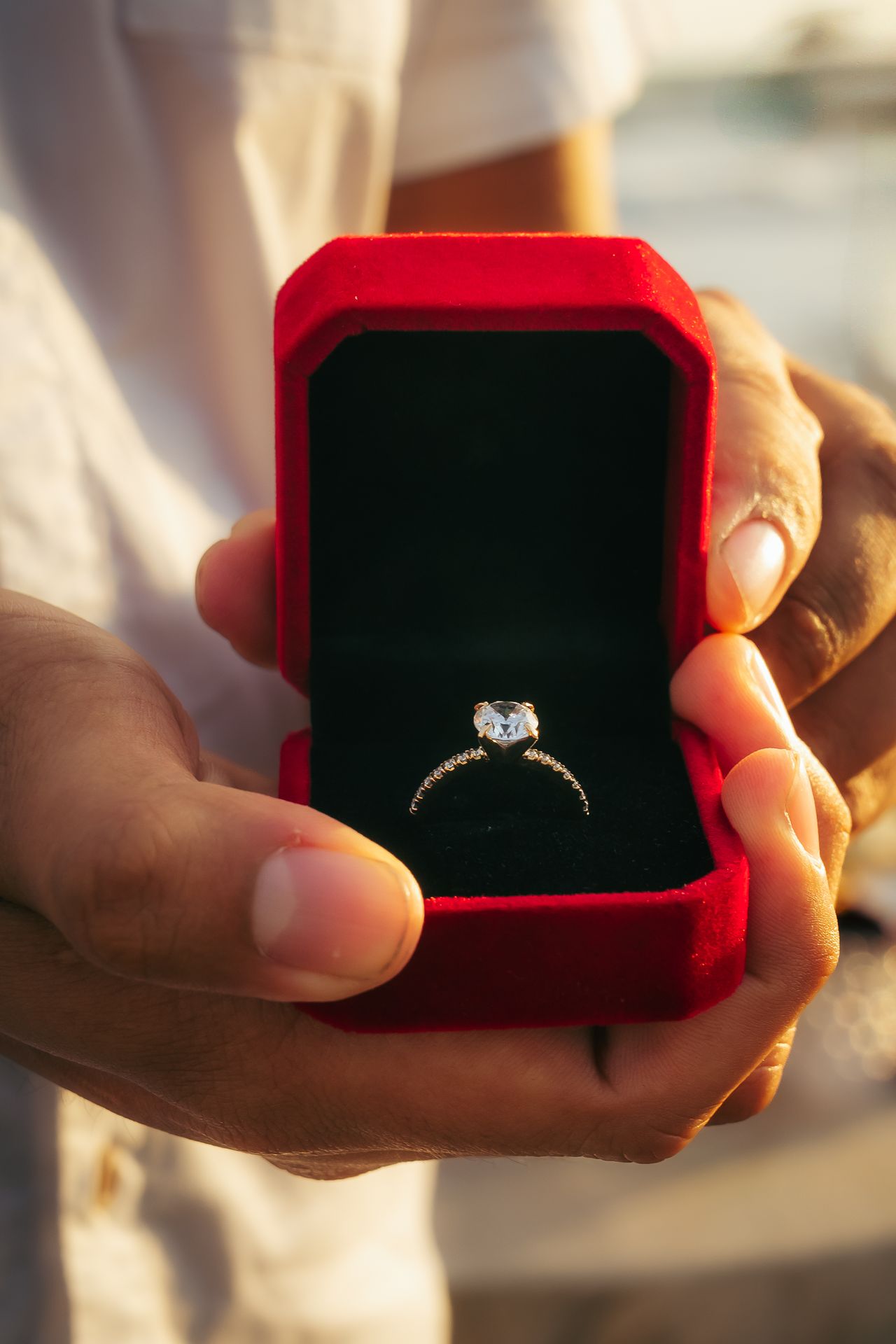
A review of Tiffany & Co. as a jewelry buyer would experience it: its history and position, its best-known lines, its strengths and weaknesses, who it suits, and what its pieces typically cost as of November 2026. No star rating, no invented test data.
Tiffany & Co. is the most recognisable name in American jewellery, and for many buyers it is the first name that comes to mind when they think of a fine piece. Founded in New York in 1837, the company has spent nearly two centuries building an identity around a particular idea of luxury: restrained, American, and confident rather than ornate. Its blue box is known even by people who have never bought a piece of Tiffany jewellery, and that recognition is itself a large part of what a buyer pays for. This review looks at what Tiffany offers a buyer today, what it does well, where it is expensive for reasons other than quality, and who should buy there — and who should not.
A note on how this review is written: Lustre Journal is not affiliated with Tiffany & Co. or with any brand reviewed on this site. We have no commercial relationship with the company, we earn no commission from any purchase, and this review is based on publicly available information about the company's history, its published product lines, and its widely reported market position, not on a laboratory test or a sponsored trial. Prices are given as typical ranges as of November 2026, because exact prices vary by piece and by region. We give no star rating and no numerical score, because a single number cannot honestly summarise a brand.
Brand Overview: History, Position, and Recognition
Tiffany was founded in 1837 in New York by Charles Lewis Tiffany, and it grew from a stationery and fancy goods store into one of the world's best-known jewellers. Its early reputation was built on sterling silver, on diamonds, and on a standard of quality that was unusual for its time: Tiffany was among the first American retailers to adopt the sterling silver standard of 92.5 percent silver, and it helped to establish that standard in the United States. In the twentieth century, the company became associated with the engagement ring — its six-prong Tiffany Setting, introduced in 1886, lifted the diamond above the band and became the template for the modern solitaire — and with a particular style of American luxury that is polished rather than flamboyant.
Today Tiffany is a global luxury house, owned since 2021 by the LVMH group, with stores in major cities around the world. Its public recognition is exceptionally high: in brand-recognition surveys, including those published by YouGov, Tiffany consistently ranks among the best-known jewellery brands in the United States, and its blue box is one of the most recognisable pieces of packaging in retail. That recognition matters to a buyer, because it means a Tiffany piece is understood by the person receiving it without explanation. It also matters to the price, because a large part of what Tiffany charges is the value of that recognition, and a buyer should know that before paying it.
Main Product Lines
Tiffany's best-known line is its engagement rings, led by the Tiffany Setting solitaire and the Tiffany True and Tiffany Soleste designs. The Setting is a six-prong solitaire in platinum or gold, and it remains the company's signature piece: a design that has changed very little in more than a century, because it does not need to. The company also sells a wide range of diamond jewellery — studs, pendants, tennis bracelets — and its diamond grading is documented: Tiffany diamonds are graded to its own standards, which the company describes as stricter than the industry norm, and its stones are accompanied by a Tiffany diamond certificate. A buyer should still ask for the specifics of any stone, as our guide to jewellery insurance and certificates explains, because a brand's grading standard is only useful if it is stated in writing for the stone being bought.
Beyond diamonds, Tiffany's silver jewellery is a large part of its business, and it is the entry point for many buyers. The Return to Tiffany collection — a heart or round tag on a chain or bracelet — is one of the company's best-selling lines, and it is a piece that is bought as a gift more often than as a personal purchase. The Tiffany T collection, with its clean T motif, and the Tiffany HardWear collection, with its industrial, link-based designs, are the company's modern lines, aimed at a younger buyer who wants Tiffany without the traditional associations. The Elsa Peretti collection, designed by the late Elsa Peretti, includes the open-heart and bean designs that have been in the line for decades. In gold jewellery, Tiffany sells a range of chains, bracelets, and pendants in 18k gold, and its silver pieces are sterling silver, marked 925.
Strengths
Tiffany's strengths are real and they are the reasons people buy there. The first is consistency: a Tiffany piece bought in New York, in London, or in Tokyo will be made to the same standard, finished to the same level, and presented in the same way. That consistency is difficult for an independent jeweller to match, and it matters for a gift, because the recipient knows what they are receiving. The second is the design archive: the Tiffany Setting, the Peretti designs, and the company's silver collections are designs that have lasted for decades, which means they are unlikely to look dated in five years. The third is the retail experience and the aftercare: Tiffany stores offer cleaning, inspection, and repair, and the company's warranty and service network are genuinely useful for a piece that will be worn for years.
The fourth strength is the diamond standard. Tiffany's diamonds are consistently well cut, and the company is transparent about its sourcing policies, including its policy of tracing its diamonds to their source. A buyer who cares about the origin of a diamond, and who is willing to pay for a documented chain of custody, will find Tiffany's approach reassuring. And the fifth strength is the one that is hardest to quantify and easiest to dismiss: the blue box. A Tiffany gift is understood as a Tiffany gift, and for an occasion where that understanding matters — an engagement, a milestone birthday, a significant anniversary — the recognition is a genuine part of the value.
Weaknesses
Tiffany's main weakness is price. A Tiffany piece typically costs several times what an independent jeweller would charge for the same metal weight, the same stone quality, and a comparable design, because the price includes the brand, the store, the packaging, and the experience. That premium is not a secret, and it is not a deception, but it is a fact that a buyer should weigh. A solitaire from Tiffany and a solitaire from a reputable independent jeweller, with the same stone grades, are the same ring in every way that affects how it looks and wears, and the difference in price is the brand. If the brand matters to the buyer or to the recipient, the premium is a legitimate purchase. If it does not, the same money buys a larger or better stone elsewhere.
A second weakness is the silver line's value. A sterling silver bracelet from Tiffany can cost several hundred dollars, while a sterling silver bracelet of the same weight and finish from an independent maker can cost a fraction of that. Silver is silver, and the difference is the name on the tag. A buyer who wants a silver piece for its own sake, rather than for the brand, will get better value elsewhere. A third weakness is that Tiffany's designs, while timeless, are conservative: a buyer who wants something unusual, handmade, or avant-garde will find more of it from independent designers than from Tiffany's main lines, although the HardWear collection is an exception.
Who It Suits — and Who It Does Not Suit
Tiffany suits a buyer who values recognition, consistency, and a classic design, and who is buying for an occasion where the brand itself carries meaning — an engagement, a milestone, a gift where the blue box is part of the message. It suits a buyer who wants a well-made solitaire with a documented diamond, a reliable retail experience, and aftercare that will be available in any major city. It suits a buyer who is buying a first fine piece and wants the reassurance of a name they already trust, rather than the uncertainty of researching an independent jeweller.
Tiffany does not suit a buyer whose priority is value for money, or who wants the largest stone their budget can buy, because the brand premium will consume a large part of that budget. It does not suit a buyer who wants a handmade or unusual piece, or who wants to support an independent maker. And it does not suit a buyer who is buying silver jewellery for its own sake, because the silver premium is the steepest in the store. Our guide to buying an engagement ring without overpaying for the setting explains how to compare a brand-name ring with an independent one, and it is worth reading before a Tiffany purchase.
Typical Price Ranges
Sterling silver jewellery at Tiffany typically runs around $150 to $600 for a bracelet or pendant as of November 2026, with the Return to Tiffany pieces at the lower end of that range and larger silver pieces at the upper end. Gold jewellery typically runs around $500 to $2,500 for a chain, bracelet, or pendant in 18k gold. Diamond studs typically run around $1,000 to $5,000 or more depending on size, and engagement rings typically run around $3,000 to $15,000 or more, with the price driven mainly by the centre stone. These are typical ranges for the company's main lines, and exact prices vary by piece, by stone, and by region.
Editorial Conclusion
Tiffany & Co. is a very good jeweller that charges a very high price for its name, and both halves of that sentence are true at the same time. Its diamonds are well cut, its designs are timeless, its service is reliable, and its pieces are understood by everyone who receives them. Its prices are several times what the same materials would cost from an independent jeweller, and that premium is the price of the blue box. A buyer who wants the box, and who understands that they are buying it, will be happy with a Tiffany piece. A buyer who wants the most jewellery for their money will not. The decision is not about quality — Tiffany's quality is real — it is about what you want your money to buy, and whether the answer is a ring or a name.
About this review
This review is editorial, not sponsored. Lustre Journal is not affiliated with, endorsed by, or sponsored by Tiffany & Co. or any brand reviewed on this site. We give no star rating and no numerical score, and we publish no invented test data. Prices are typical ranges as of November 2026. Read more about how we research and in our Editorial Policy.