← All brand reviews · Brand Review
David Yurman Review: The Cable Bracelet, American Luxury, and Who It Suits
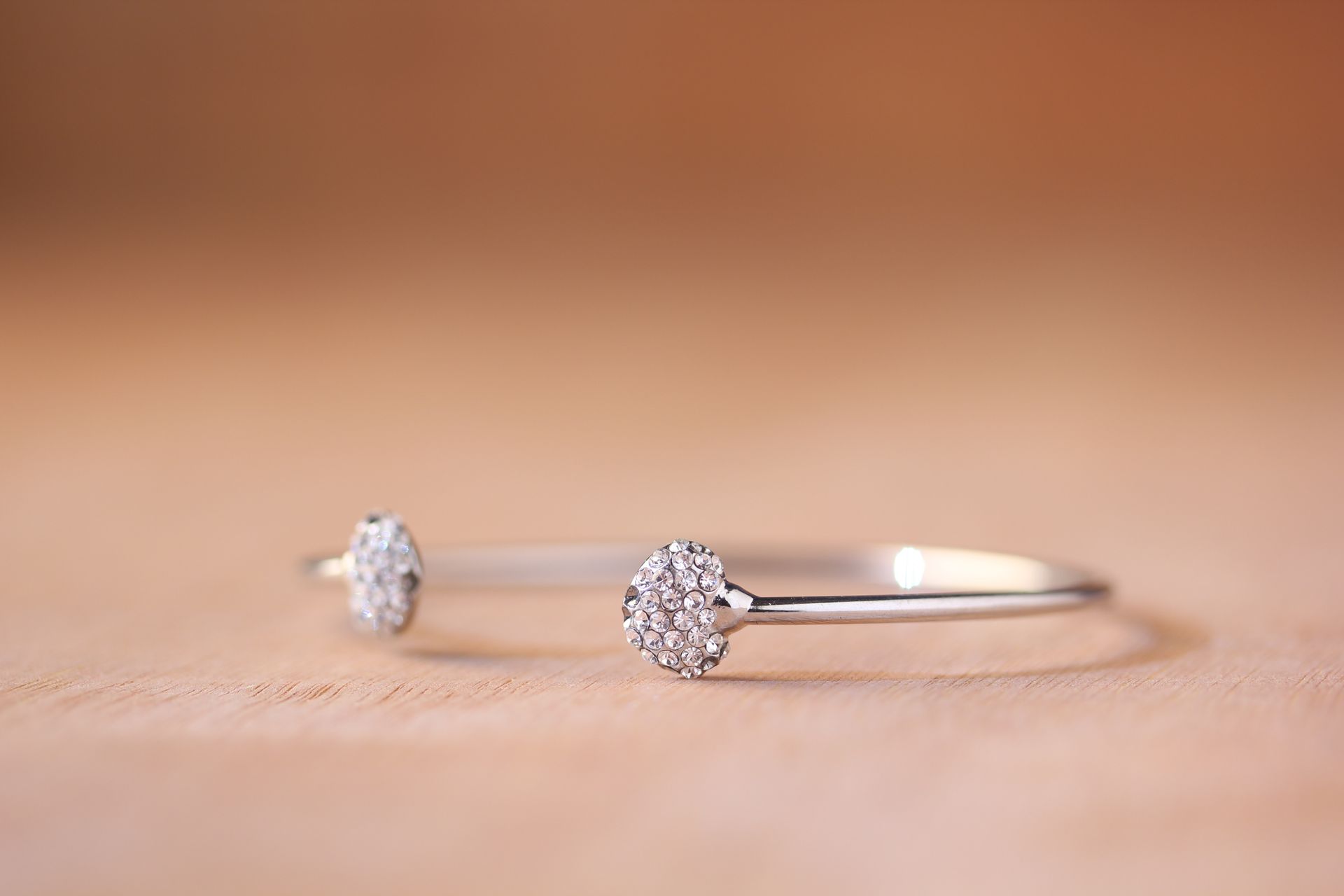
A review of David Yurman as a jewelry buyer would experience it: its cable-bracelet signature, its materials and collections, its strengths and weaknesses, who it suits, and what its pieces typically cost as of November 2026. No star rating, no invented test data.
David Yurman is the American luxury jeweller best known for a single design: the cable bracelet, a twisted metal cable with gemstone endcaps, introduced in the 1980s and now one of the most recognisable pieces of jewellery in the United States. Founded in New York in 1980 by David Yurman and his wife Sybil, the company built its reputation on a style that is sculptural, wearable, and distinctly American — less formal than the European houses, more substantial than fashion jewellery, and aimed at a buyer who wants a piece that is both a design object and an everyday piece. This review looks at what David Yurman offers today, what its cable design does well, where its prices sit, and who should buy there.
Lustre Journal is not affiliated with David Yurman or with any brand reviewed on this site. We have no commercial relationship with the company, we earn no commission from any purchase, and this review is based on publicly available information about the company's history, its published collections, and its widely reported market position, not on a laboratory test or a sponsored trial. Prices are given as typical ranges as of November 2026. We give no star rating and no numerical score.
Brand Overview: History, Position, and Recognition
David Yurman was founded in New York in 1980, and its early work was in sculpture — David Yurman was a sculptor before he was a jeweller, and the cable design reflects that background: it is a sculptural form, a twisted helix, made wearable. The cable bracelet became the company's signature, and it remains its best-selling design, in sterling silver, in gold, and with gemstones including diamonds, onyx, and turquoise. The company's recognition is high in the United States, including in brand-recognition surveys published by YouGov, where David Yurman consistently ranks among the best-known jewellery brands, and its cable bracelet is recognised by people who know nothing else about the brand.
David Yurman's position is between the European luxury houses and fashion jewellery: its prices are lower than Cartier's or Tiffany's for a comparable piece, but higher than a fashion brand's, and its designs are more distinctive than either. The company sells through its own stores and through department stores, and it has a strong presence in the United States, where it is based, and a growing presence internationally. Its customers are often buyers who want a luxury piece without the formality of a European house, and who value the cable design as a signature rather than a logo.
Main Product Lines
The Cable collection is the core: bracelets, rings, necklaces, and earrings in a twisted cable design, in sterling silver, 18k gold, and two-tone, with gemstone endcaps and pavé diamonds. The Classic Cable bracelet is the entry point, a silver cable bracelet with gemstone endcaps, and the Cable Classics with diamonds are the step up. The Albion collection, with its cushion-cut gemstones in a cable setting, is the company's coloured-stone line, and it is a good introduction to coloured gemstones for a buyer who is new to them — our guide to coloured gemstones for beginners covers the stones used in this line. The Thoroughbred and Renaissance collections are the company's more ornate lines, with detailed metalwork and larger stones, and the men's collection — cable bracelets, rings, and necklaces in silver, gold, and blackened metal — is one of the more substantial men's lines from a luxury house.
David Yurman's materials are sterling silver, 18k gold, and platinum, with diamonds and coloured gemstones including onyx, turquoise, lapis, and citrine. Its silver is sterling silver, marked 925, and its gold is 18k. The company's pieces are made in the United States, and its aftercare includes cleaning, inspection, and repair through its stores.
Strengths
David Yurman's strengths begin with the cable design itself: it is original, it is recognisable, and it is comfortable to wear, because the twisted cable sits well on the wrist and the bracelet is not too heavy. The design has lasted for more than forty years without looking dated, which is a real achievement, and it means a cable bracelet bought today will still look current in a decade. The second strength is the range: the cable design is available at many price levels, from a silver bracelet to a gold bracelet with diamonds, so a buyer can enter the brand at a modest price and move up within the same design language.
The third strength is the men's line, which is more substantial than most luxury houses' men's offerings and which suits a buyer who wants a men's bracelet that is not a fashion piece. The fourth is the coloured-stone work in the Albion collection, which is a good introduction to coloured gemstones at a price that is lower than a high jewellery house would charge. And the fifth is the service: David Yurman's stores offer cleaning and inspection, and the company's warranty is straightforward.
Weaknesses
David Yurman's main weakness is price for silver. A sterling silver cable bracelet can cost several hundred dollars, while a sterling silver bracelet of the same weight from an independent maker can cost a fraction of that. Silver is silver, and the difference is the design and the name. A buyer who wants a silver bracelet for its own sake will get better value elsewhere; a buyer who wants the cable design specifically is buying the design, and that is a legitimate purchase, but it should be a conscious one. Our guide to spotting quality craftsmanship explains how to judge a piece's construction, and it applies here as much as anywhere.
A second weakness is that the cable design, while iconic, is also widely imitated, and the market contains many cable-style bracelets at lower prices. A David Yurman cable bracelet is distinguished by its finish, its gemstone endcaps, and its hallmark, but a buyer who does not care about those distinctions will not see the difference. A third weakness is that the brand's designs are concentrated in the cable motif, which means a buyer who does not like the cable will find less to choose from than at a house with a broader design range.
Who It Suits — and Who It Does Not Suit
David Yurman suits a buyer who loves the cable design, who wants an American luxury piece that is wearable every day, and who is buying a bracelet, a ring, or a coloured-stone piece that will be worn regularly. It suits a buyer who wants a men's bracelet from a luxury house, and it suits a buyer who wants a coloured-stone piece — an Albion ring or pendant — as an introduction to coloured gemstones. It suits a buyer who values a design that is recognisable without being a logo.
David Yurman does not suit a buyer whose priority is value for money in silver, or who wants the most metal for their budget, because the cable premium is substantial for a silver piece. It does not suit a buyer who wants a very formal or very ornate piece, because the house's style is sculptural and wearable rather than formal. And it does not suit a buyer who does not like the cable motif, because the brand's range is built around it. Our guide to bracelet stacking covers how a cable bracelet works in a stack, and it is useful reading for a buyer who plans to wear one with other bracelets.
Typical Price Ranges
A sterling silver Classic Cable bracelet typically runs around $300 to $600 as of November 2026, and a silver cable bracelet with gemstones typically runs around $400 to $800. A gold cable bracelet typically runs around $1,500 to $4,000, and a gold cable bracelet with diamonds typically runs around $3,000 to $8,000 or more. A ring typically runs around $300 to $2,000, and a necklace typically runs around $500 to $3,000. These are typical ranges for the company's main lines, and exact prices vary by piece, by stone, and by region.
Editorial Conclusion
David Yurman is a jeweller built around a single, very good design, and its value depends on whether you want that design. The cable bracelet is original, comfortable, and durable, and it has lasted for more than forty years because it is a good design, not because it is a fashion. A buyer who wants a cable bracelet will be happy with a David Yurman piece for decades, and the price, while high for silver, is the price of the design. A buyer who wants a silver bracelet, or who does not care about the cable, will get better value elsewhere. The brand is at its best when it is bought for the cable, and at its weakest when it is bought for the metal. Choose the design, and the price will make sense. Choose the metal, and it will not.
About this review
This review is editorial, not sponsored. Lustre Journal is not affiliated with, endorsed by, or sponsored by David Yurman or any brand reviewed on this site. We give no star rating and no numerical score, and we publish no invented test data. Prices are typical ranges as of November 2026. Read more about how we research and in our Editorial Policy.