← All brand reviews · Brand Review
Pandora Review: Affordable Charms, Wide Choice, and the Limits of Fashion Jewelry
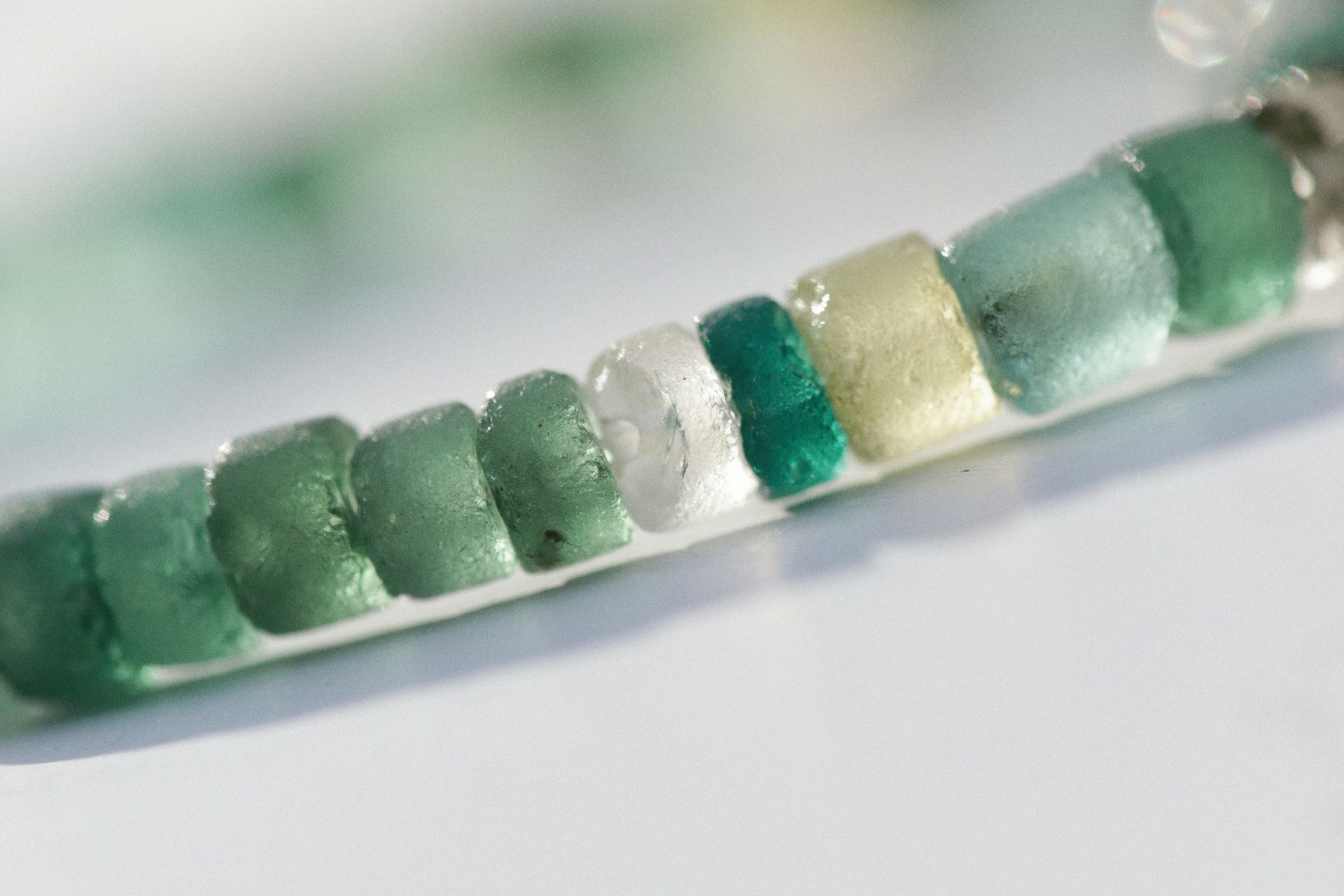
A review of Pandora as a jewelry buyer would experience it: its charm-bracelet model, its materials, its strengths and weaknesses, who it suits, and what its pieces typically cost as of November 2026. No star rating, no invented test data.
Pandora is the jewellery brand most people have actually bought. Founded in Denmark in 1982, the company built its business on a simple idea: a charm bracelet that the wearer builds over time, adding a charm for each occasion, each person, and each memory. That idea made Pandora the largest jewellery brand in the world by volume, with stores in more than a hundred countries, and it made the charm bracelet one of the most given gifts in jewellery. This review looks at what Pandora offers a buyer today, where its value lies, where its limits are, and who should buy there.
Lustre Journal is not affiliated with Pandora or with any brand reviewed on this site. We have no commercial relationship with the company, we earn no commission from any purchase, and this review is based on publicly available information about the company's history, its published product lines, and its widely reported market position, not on a laboratory test or a sponsored trial. Prices are given as typical ranges as of November 2026. We give no star rating and no numerical score.
Brand Overview: History, Position, and Recognition
Pandora was founded in Copenhagen in 1982 by Per Enevoldsen and his wife Winnie, initially as a small shop importing jewellery from Thailand, and it grew into a global company by focusing on a single product: the charm bracelet. The company's breakthrough was the Moments bracelet, a snake-chain bracelet with threaded charms that the wearer collects, and the idea that a bracelet could be a personal record, added to over years. That idea resonated with buyers who wanted jewellery that was personal without being expensive, and Pandora's growth followed: the company now sells in more than a hundred countries, and its brand recognition is very high, including in brand-recognition surveys published by YouGov, where Pandora consistently ranks among the best-known jewellery brands in the United States and in Europe.
Pandora's position is distinct from the luxury houses reviewed elsewhere on this site. It is not a fine jewellery house, and it does not pretend to be one. It is a fashion and demi-fine jewellery brand, selling pieces in sterling silver, 14k gold, and gold-plated silver, at prices that are accessible to most buyers. Its business is volume and gifting: a Pandora piece is often a gift, often a first piece of jewellery, and often the start of a collection that grows over time.
Main Product Lines
The Moments collection is Pandora's core: a snake-chain bracelet, available in sterling silver, 14k gold, and two-tone, with charms that thread onto it. The charms are the heart of the business — hundreds of designs, in silver, gold, enamel, glass, and gemstones, covering birthdays, holidays, hobbies, animals, letters, and milestones — and they are sold individually, typically around $25 to $100 each as of November 2026, so that a bracelet can be built gradually. The Pandora Timeless collection is a range of rings, earrings, necklaces, and bracelets in a more classic style, and the Pandora Signature collection is a range of pieces with the company's logo motif. The company also sells lab-grown diamond jewellery under its Pandora Brilliance line, which is a newer part of the business and reflects the growth of lab-grown stones.
Pandora's materials are stated clearly: sterling silver, marked 925, 14k gold, and 14k gold-plated sterling silver, which the company calls Pandora Rose and Pandora Shine for its rose-gold and yellow-gold plated lines. Our guide to gold, vermeil, and plated labels explains what those labels mean, and the Pandora rule is the same as the general rule: the plated lines will wear through in time, and they should be bought at plated prices and with plated expectations, while the solid silver and solid gold lines will last.
Strengths
Pandora's strengths are accessibility, choice, and the collecting idea. The first is price: a Pandora bracelet and a charm can be bought for around $100, and a gift can be bought for around $50, which makes the brand accessible to buyers who cannot afford a luxury house. The second is choice: the range of charms is enormous, and a buyer can find a charm for almost any occasion, which makes Pandora a reliable gift choice when the buyer does not know the recipient's taste in detail. The third is the collecting model itself: a charm bracelet that grows over years is a piece that accumulates meaning, and a charm given for each birthday or holiday is a gift that is both personal and repeatable.
The fourth strength is availability and service: Pandora stores are widespread, its pieces are in stock, its returns are straightforward, and its cleaning and repair services are available in store. The fifth is its move to lab-grown diamonds and to recycled silver and gold, which the company has publicised as part of its sustainability programme. A buyer who cares about those issues will find Pandora's published commitments more detailed than those of many competitors, although a buyer should read the commitments themselves rather than relying on a summary.
Weaknesses
Pandora's main weakness is that its pieces are fashion jewellery, not fine jewellery, and they are priced accordingly in some lines and not in others. A sterling silver charm can be good value, but a gold-plated charm at a high price is not, because the plating will wear through and the piece will need to be replaced. A buyer should check the material of each piece — solid silver or gold versus plated — and should not pay a solid-metal price for a plated piece. Our guide to spotting quality craftsmanship explains how to check a piece's construction, and it applies to Pandora as much as to any other brand.
A second weakness is that Pandora's designs are widely copied and widely available, which means a Pandora piece does not feel exclusive, and a charm bracelet built from Pandora charms will look like a Pandora bracelet, which is either a virtue or a limitation depending on the wearer. A third weakness is durability: a snake-chain bracelet is a delicate chain, and it can kink and break if it is caught, and charms can loosen and fall off if the bracelet is not checked. A Pandora bracelet needs care — it should be removed for sport and for sleep, and its charms should be checked regularly — and a buyer who treats it as indestructible will be disappointed.
Who It Suits — and Who It Does Not Suit
Pandora suits a buyer who wants an affordable, personal gift, a first piece of jewellery, or a bracelet that can grow over time. It suits a buyer who is buying for a teenager, for a birthday, for a holiday, or for a milestone that calls for a charm rather than a large purchase. It suits a buyer who likes the collecting idea and who will enjoy adding a charm for each occasion. It suits a buyer who wants a piece in sterling silver at a fair price, and who will wear it regularly.
Pandora does not suit a buyer who wants fine jewellery, a piece that will last for decades without maintenance, or a piece that feels exclusive. It does not suit a buyer who wants a large diamond, a solid gold piece, or a design that is not widely recognised. And it does not suit a buyer who will be disappointed when a plated piece wears through, because that is what plated pieces do, and the buyer should know it before paying. Our guide to birthstone gifts and our guide to holiday gifts by budget both cover the price ranges where Pandora is most often bought, and they are useful reading before a Pandora purchase.
Typical Price Ranges
A sterling silver Moments bracelet typically runs around $65 to $100 as of November 2026, and charms typically run around $25 to $100 each, with most charms around $40 to $65. A sterling silver ring typically runs around $50 to $150, and a necklace typically runs around $75 to $200. A 14k gold piece typically runs around $200 to $600, and a lab-grown diamond piece typically runs around $150 to $500. These are typical ranges for the company's main lines, and exact prices vary by piece and by region.
Editorial Conclusion
Pandora is the most accessible jewellery brand on this site, and its value is real if it is bought for what it is. A sterling silver charm bracelet, built slowly with charms that mean something, is a piece that will be worn and loved, and it costs a fraction of what a fine jewellery piece would cost. A gold-plated charm bought at a high price, or a bracelet bought as an investment, is a disappointment waiting to happen, because Pandora is not an investment and plated jewellery does not last. Buy the silver, buy the charm that means something, and buy it knowing that the value is in the meaning, not in the metal. A Pandora bracelet bought that way is a good purchase. A Pandora bracelet bought as fine jewellery is not.
About this review
This review is editorial, not sponsored. Lustre Journal is not affiliated with, endorsed by, or sponsored by Pandora or any brand reviewed on this site. We give no star rating and no numerical score, and we publish no invented test data. Prices are typical ranges as of November 2026. Read more about how we research and in our Editorial Policy.