← All brand reviews · Brand Review
Harry Winston Review: The King of Diamonds, and the Price That Comes With the Title
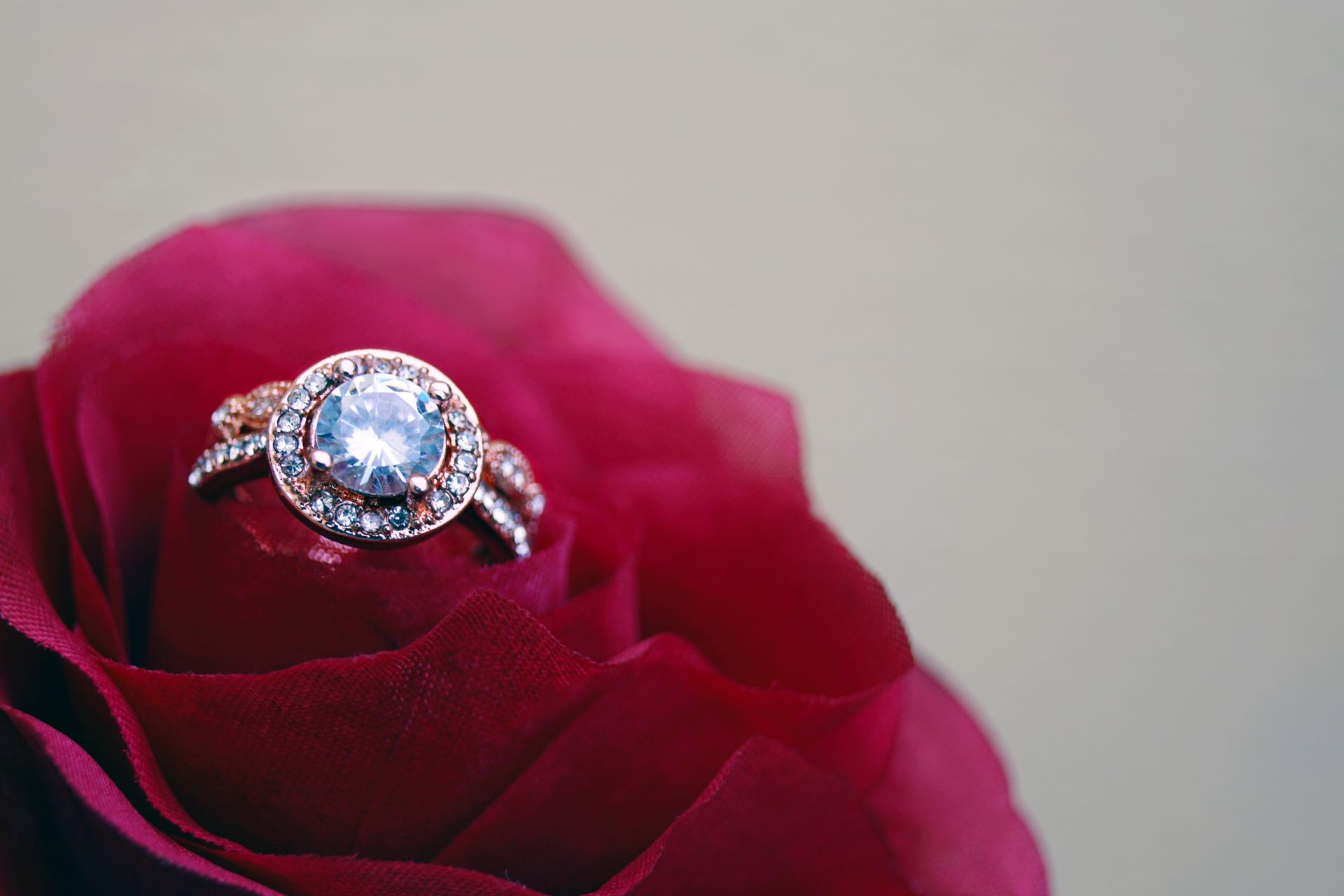
A review of Harry Winston as a jewelry buyer would experience it: its diamond heritage, its best-known designs, its strengths and weaknesses, who it suits, and what its pieces typically cost as of November 2026. No star rating, no invented test data.
Harry Winston is the jeweller most associated with large, exceptional diamonds. Founded in New York in 1932 by Harry Winston, the company built its reputation on acquiring and cutting some of the most famous diamonds in the world — including the Hope Diamond, which Winston donated to the Smithsonian Institution — and on a style that is focused, above all, on the stone itself. Its designs are deliberately understated, so that the diamond is the centre of attention, and its name is associated with the largest and finest stones in a way that no other house's is. This review looks at what Harry Winston offers a buyer today, what justifies its prices, and who should buy there.
Lustre Journal is not affiliated with Harry Winston or with any brand reviewed on this site. We have no commercial relationship with the company, we earn no commission from any purchase, and this review is based on publicly available information about the company's history, its published collections, and its widely reported market position, not on a laboratory test or a sponsored trial. Prices are given as typical ranges as of November 2026. We give no star rating and no numerical score.
Brand Overview: History, Position, and Recognition
Harry Winston was founded in New York in 1932, and its founder became known as the King of Diamonds for his acquisition of exceptional stones, including the Jonker, the Hope, and other famous diamonds, and for his practice of lending diamonds to film stars for the Academy Awards, which made the house's name synonymous with Hollywood glamour. The company's reputation was built on the stones themselves, and on a cutting and setting style that maximises a diamond's brilliance by using minimal metal and a precise setting. Its public recognition is high among luxury buyers, including in brand-recognition surveys published by YouGov, where Harry Winston ranks among the best-known high jewellery brands, although it is less widely known to the general public than Tiffany or Cartier, because its prices are higher and its stores are fewer.
Today Harry Winston is owned by the Swatch Group, and it operates stores in major cities around the world. Its position is at the top of the diamond market: it is a house for buyers who want an exceptional stone, a classic setting, and a name that is associated with the finest diamonds. Its pieces are not fashion jewellery, and they are not entry-level luxury; they are fine and high jewellery, and their prices reflect that.
Main Product Lines
Harry Winston's best-known line is its engagement rings, led by the Winston Classic solitaire and the Micropavé designs, in which the centre stone is surrounded by small diamonds set with minimal metal, so that the ring appears as a continuous field of sparkle. The company's diamond jewellery — studs, pendants, tennis bracelets, and necklaces — follows the same principle: the setting is designed to disappear, and the diamonds are the whole point. Its Winston Cluster collection is a range of pieces in which diamonds are clustered to create a larger visual effect, and its high jewellery collections, shown annually, include pieces with diamonds and coloured gemstones of exceptional size and quality.
Harry Winston's diamonds are graded to the house's own standards, which it describes as strict, and its stones are accompanied by documentation. A buyer should still ask for the specifics of any stone, as our guide to jewellery insurance and certificates explains, because a brand's grading standard is only useful if it is stated in writing for the stone being bought. Our guide to lab-grown versus natural diamonds is also relevant, because Harry Winston sells natural diamonds, and a buyer should understand the difference before paying a natural-diamond price.
Strengths
Harry Winston's strengths begin with the stones. The house's diamonds are consistently well cut, well matched, and of high colour and clarity, and its settings are designed to show them at their best. A Harry Winston ring is a ring in which the diamond is the whole point, and the setting does not compete with it. The second strength is the design language: classic, understated, and timeless, so that a Harry Winston piece bought today will not look dated in twenty years. The third is the service: the house's stores offer cleaning, inspection, and repair, and its aftercare is available worldwide.
The fourth strength is the brand's association with exceptional stones, which gives a Harry Winston piece a provenance that is understood by people who know diamonds. And the fifth is the secondary market: Harry Winston pieces, especially engagement rings with well-documented stones, retain their value better than most, because the demand for them is sustained and the stones are of a quality that is recognised.
Weaknesses
Harry Winston's main weakness is price, and it is a very high premium. A solitaire from Harry Winston can cost several times what a solitaire with the same stone grades would cost from an independent jeweller, and the difference is the name and the setting. A buyer who wants a well-cut diamond in a classic setting will get better value from an independent jeweller, and the stone will be the same in every way that affects how it looks. A buyer who wants a Harry Winston ring specifically is buying the name and the house, and that is a legitimate purchase, but it should be a conscious one.
A second weakness is that the house's style is conservative: its designs are classic and understated, and a buyer who wants something modern, unusual, or handmade will find less to choose from than at a house with a broader design range. A third weakness is availability: Harry Winston has fewer stores than Tiffany or Cartier, and its pieces are often made to order, which means a purchase can take time. And a fourth is that the house's focus on diamonds means its coloured-gemstone and gold jewellery lines are smaller than those of its rivals.
Who It Suits — and Who It Does Not Suit
Harry Winston suits a buyer who wants an exceptional diamond, a classic setting, and a name that is associated with the finest stones. It suits a buyer buying an engagement ring where the stone is the point, and where the house's name is part of the gesture. It suits a buyer who values the secondary market, because Harry Winston pieces retain their value, and it suits a buyer who wants aftercare available in any major city.
Harry Winston does not suit a buyer whose priority is value for money, or who wants the largest stone their budget can buy, because the premium will consume a large part of that budget. It does not suit a buyer who wants a modern or unusual design, or who wants a coloured gemstone as the centre of a piece. And it does not suit a buyer who is buying a first piece of jewellery, because the house's prices are at the top of the market and its range is not aimed at a first purchase. Our guide to buying an engagement ring without overpaying for the setting and our guide to engagement ring budgeting are both useful reading before a Harry Winston purchase.
Typical Price Ranges
Engagement rings at Harry Winston typically run around $10,000 to $50,000 or more as of November 2026, with the price driven mainly by the centre stone, and larger stones can run substantially higher. Diamond studs typically run around $5,000 to $20,000 or more, and a diamond tennis bracelet typically runs around $10,000 to $30,000 or more. A diamond pendant typically runs around $3,000 to $15,000 or more. These are typical ranges for the house's main lines, and exact prices vary by piece, by stone, and by region.
Editorial Conclusion
Harry Winston is the house for a buyer who wants a diamond above all, and who is willing to pay for the name that goes with it. Its stones are exceptional, its settings are designed to show them, and its pieces are timeless in a way that few other houses' are. Its premium is also among the highest in the industry, and a buyer should know that a large part of what they are paying for is the house and its history, not the stone alone. A buyer who wants a Harry Winston ring, and who understands that they are buying the King of Diamonds as much as a diamond, will be happy with it for decades. A buyer who wants a diamond will get a better diamond for the same money elsewhere. The question is not whether Harry Winston is good — it is — but whether you want to pay for what Harry Winston is, or whether you want to pay for a stone.
About this review
This review is editorial, not sponsored. Lustre Journal is not affiliated with, endorsed by, or sponsored by Harry Winston or any brand reviewed on this site. We give no star rating and no numerical score, and we publish no invented test data. Prices are typical ranges as of November 2026. Read more about how we research and in our Editorial Policy.